

Top 4 RV Financing Options for Travelers in 2026
Last updated: 2026-11-09
Hitting the open road is a dream for many, but the price tag on a modern motorhome can be a heavy anchor. Whether you are eyeing a vintage camper, a mid-sized fifth wheel, or a luxury diesel pusher, securing the right funds is the first step toward freedom. The difference between a stress-free road trip and a financial burden often lies in the fine print of your financing agreement. As vehicle technology advances and amenities become more sophisticated, the cost of entry into the RV lifestyle continues to climb, making strategic planning more essential than ever.
Finding a lender isn’t just about hunting for the lowest number on a screen. It requires looking at how quickly they move, how they treat your credit history, and whether they offer the flexibility needed for a nomadic lifestyle. For instance, a lender that offers a low interest rate but requires a massive down payment might not suit someone who needs to keep their liquid cash for fuel, campsite fees, and maintenance. Conversely, a lender with high speed but high interest might be a necessity for a quick emergency repair but a poor choice for a long-term asset purchase.
- Solarity Credit Union
- World Finance
- JetzLoan
- Payment1
How We Evaluated the Leading Lenders
The selection process for this ranking focused on accessibility and service variety. We looked at how these companies handle different financial profiles, from those with pristine credit to those just trying to keep their heads above water during a tough month. We categorized lenders based on their primary utility: whether they are “asset-backed” specialists (focusing on the RV itself as collateral) or “unsecured” providers (focusing on your personal creditworthiness).
We also weighed the speed of funding and the ease of the application process. In 2026, nobody wants to spend weeks waiting for a signature while the perfect RV is being sold to someone else down the lot. We analyzed the digital friction in their application workflows, looking at whether a borrower can complete an entire process from a smartphone while sitting in a dealership showroom or if they must visit a physical branch in person.
Furthermore, we examined the “total cost of ownership” implications of their loans. This includes looking at the transparency of their fee structures—specifically origination fees, documentation fees, and any hidden administrative costs that can add hundreds of dollars to the final price tag. A lender that is upfront about these costs is infinitely more valuable than one that hides them until the moment of signing.
| Lender Name | Loan Amounts | Funding Speed | Credit Requirements |
|---|---|---|---|
| Solarity Credit Union | see site | see site | see site |
| World Finance | $450+ | Same-day options | No matter your credit score |
| JetzLoan | see site | see site | see site |
| Payment1 | Up to $6,000 | Same-day cash | see site |
The Best RV Financing Picks for 2026
1. Solarity Credit Union
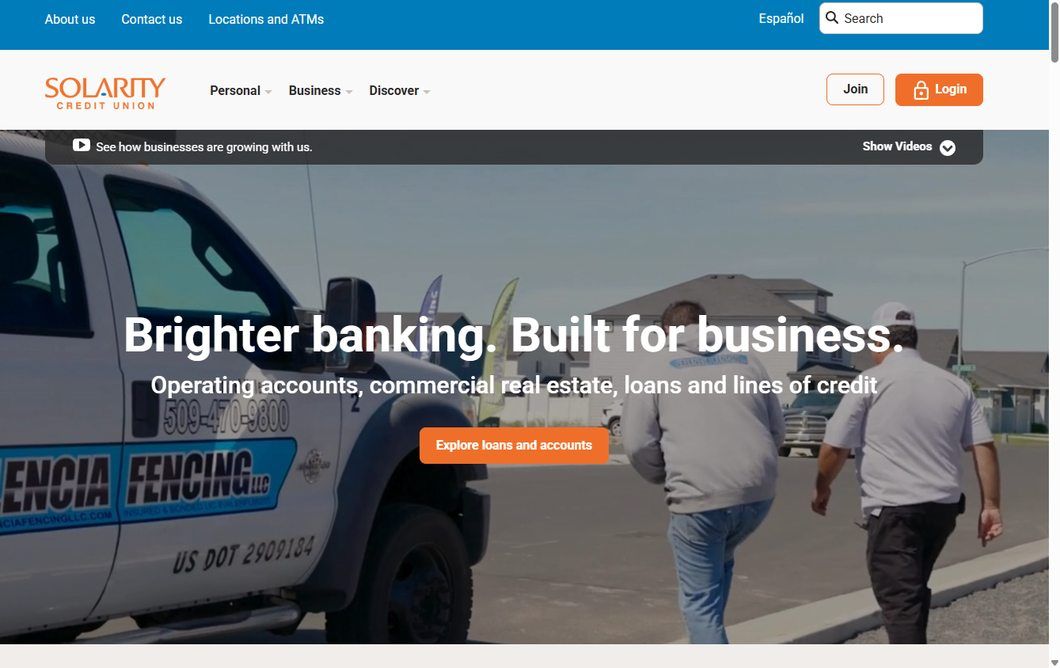
Solarity Credit Union acts as a bright spot for those who want a more personal touch in their banking. They offer specialized loans for RVs and motor sports, focusing on providing expert guidance rather than just automated responses. Unlike large national banks that use rigid algorithms to approve or deny loans, credit unions often have more leeway to look at the “whole picture” of your financial health.
This is an ideal choice for members who value a community-focused institution. If you want a lender that understands the lifestyle and offers modern digital tools to manage your payments, this is a strong contender. For example, if you are transitioning from a standard auto loan to a recreational vehicle loan, a credit union is more likely to understand the nuances of seasonal usage and depreciation rates associated with RVs.
They are particularly effective for long-term financing. When you are looking at a 10-year loan for a high-end motorhome, you want a partner that offers stable, fixed interest rates and a customer service team you can actually speak to when you have questions about your amortization schedule.
Pros:
- Specialized RV and motor sport loan products.
- Knowledgeable employees providing expert guidance.
- Modern digital tools for easy account management.
Cons:
- Requires membership to access certain benefits.
2. World Finance
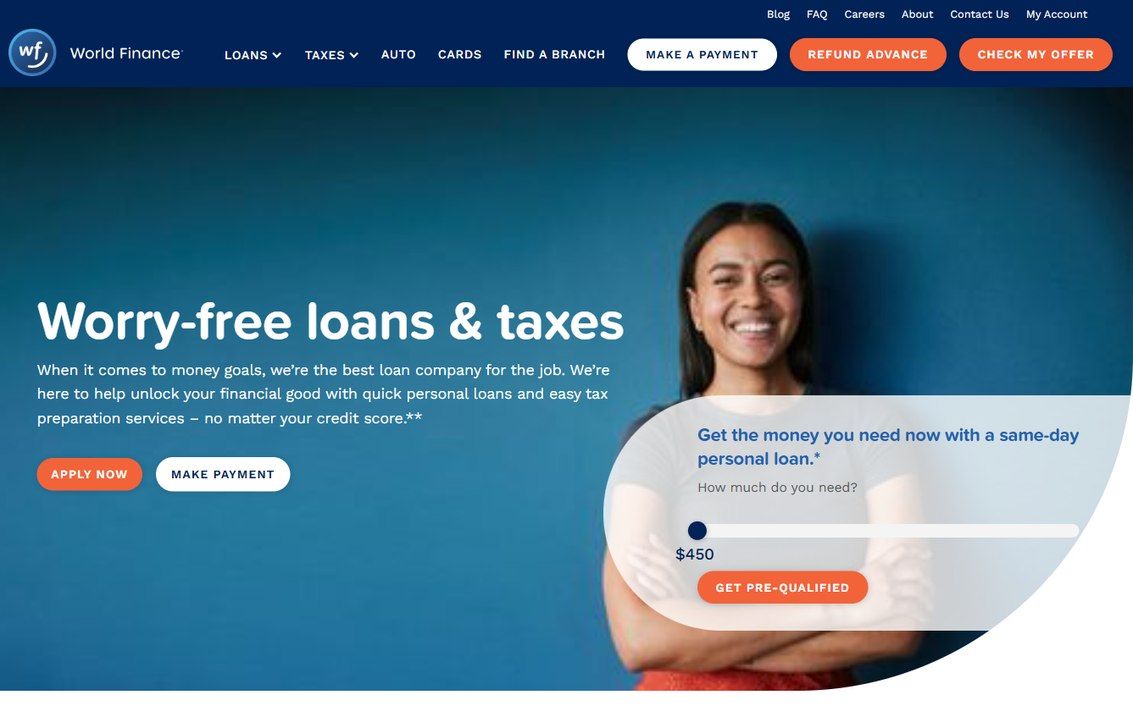
Life rarely goes according to plan, and sometimes the money you need isn’t for a luxury trip, but for maintaining what you already own. World Finance focuses on quick, personal installment loans to help handle unexpected expenses or debt consolidation. This makes them a versatile option for the “maintenance” phase of RV ownership.
They are a lifeline for those who need immediate liquidity. Imagine you are halfway through a cross-country trek and your RV’s transmission fails. A traditional bank might take a week to process a loan, but World Finance is designed for this exact type of urgency. With the ability to get pre-qualified and potentially access funds quickly, they focus on unlocking financial good for people regardless of their specific credit standing.
Their installment loan structure is particularly helpful for budget management. By providing fixed monthly payments, they allow you to integrate a sudden expense into your monthly budget without the volatility that comes with credit cards or lines of credit.
Pros:
- Flexible loan terms and fixed interest rates.
- Options for same-day personal loans.
- Available regardless of credit score.
Cons:
- Focuses more on personal loans than specialized RV titles.
3. JetzLoan
Navigating the complexities of high-value assets like recreational vehicles requires a lender that understands speed. JetzLoan positions itself as a streamlined option for those who want to move quickly through the application phase. In a competitive market where popular used RVs are being snapped up within hours, the ability to secure a “pre-approval in hand” is a massive strategic advantage.
This lender is suited for the decisive buyer who has done their research and wants to avoid the red tape. Their process is built to minimize the back-and-forth between the buyer, the seller, and the lender. They aim to bridge the gap between finding the perfect rig and actually getting the keys in your hand by prioritizing digital verification and rapid communication.
If you are a professional traveler or someone who moves frequently, the ease of their digital-first approach ensures that your financing doesn’t become a bottleneck to your mobility.
Pros:
- Streamlined application processes.
- Focus on efficient funding.
Cons:
- Limited specific details on interest rate structures.
4. Payment1

Sometimes, life throws a curveball that requires cash right this second. Payment1 specializes in personal and title loans across several states, specifically targeting those who need immediate funds for repairs or emergencies. This is a “tactical” financial tool rather than a “strategic” one; it is meant for the immediate moment.
With a high volume of reviews and a massive physical presence, they are built for speed and accessibility. If you need a quick injection of cash to keep your vehicle on the road—perhaps to cover an unexpected registration fee, a sudden repair, or a deposit on a new campsite—they are a highly visible and accessible option. Their vast network of over 50 locations means you aren’t stuck relying on a slow-moving online portal; you can often walk into a branch and speak to a representative face-to-face.
This is particularly useful for smaller, high-urgency amounts where the complexity of a traditional bank’s application process would be overkill.
Pros:
- Personal loans available up to $6,000.
- Same-day cash availability.
- Extensive network of over 50 locations.
Cons:
- Loan amounts are relatively small compared to major RV financing.
Understanding Your Loan-to-Value (LTV) Ratio
When financing a vehicle as significant as an RV, you must understand the concept of Loan-to-Value (LTV). This is the ratio of the loan amount to the appraised value of the vehicle. For example, if you are buying a used motorhome for $50,000 but only put $5,000 down, your LTV is 90%.
Lenders view higher LTVs as higher risks. If you have a high LTV, you are more likely to be “underwater” or “upside-down” on your loan—meaning you owe more to the lender than the RV is worth on the secondary market. This is a dangerous position to be in if you need to sell the vehicle quickly due to a job change or an emergency. Aiming for an LTV of 80% or lower is generally considered the “sweet spot” for maintaining equity and securing better interest rates.
To manage this, consider the following steps:
- Get an independent appraisal: Don’t just rely on the dealer’s price; know what the market actually supports.
- Factor in taxes and fees: Always include sales tax and registration in your total loan calculation so you aren’t surprised by a shortfall at the dealership.
- Check the depreciation curve: Different RV types depreciate at different rates. Class C motorhomes may hold value differently than travel trailers.
The Total Cost of Ownership (TCO) Calculation
Financing is only one part of the equation. A common mistake is building a lifestyle budget based solely on the monthly loan payment, without accounting for the “hidden” costs of RV ownership. A low monthly payment on a 15-year term might seem attractive, but the total interest paid over the life of that loan could exceed the value of the RV itself.
When comparing different financing options, perform a “Total Cost Analysis” using this framework:
| Expense Category | Impact on Monthly Budget | Why it Matters |
|---|---|---|
| Principal & Interest | High | The baseline cost of the asset. |
| Insurance (RV Specific) | Moderate | RV insurance is often more expensive than standard auto insurance. |
| Maintenance Fund | Moderate | Generators, tires, and HVAC systems require regular upkeep. |
| Storage Fees | Low/Moderate | If you don’t have driveway space, storage can be a significant monthly cost. |
| Depreciation | Variable | The amount of value you lose every year. |
By calculating your TCO, you can determine if your chosen financing plan is truly sustainable. If the sum of your loan payment and these operational costs exceeds 30-40% of your take-home pay, you may be putting your nomadic freedom at risk.
Avoiding Common Pitfalls in Vehicle Financing
One mistake many travelers make is focusing solely on the monthly payment. While a low monthly bill looks great on paper, you must look at the total cost of the loan over its entire lifespan to avoid being “underwater.” A 72-month loan with a lower payment will always cost more in total interest than a 48-month loan with a higher payment, even if the interest rate is slightly lower on the longer term.
Another trap is neglecting to check for prepayment penalties. If you come into a windfall—perhaps through a tax refund or a bonus at work—and want to pay off your RV early to save on interest, some lenders will charge you a fee for that privilege. They do this because they lose out on the interest they expected to collect from you over the remaining years. Always ask: “Is there a penalty for paying this loan off early?”
Always read the fine print regarding the type of interest rate you are receiving. A low introductory rate might feel like a gift, but if it jumps significantly after twelve months (common in “teaser” rate products), your budget might crumble under the pressure. This is particularly dangerous for those on a fixed income or a strict monthly budget.
Finally, ensure you are comparing apples to apples. A personal loan from a lender like Payment1 serves a very different purpose than a structured RV loan from a credit union, and choosing the wrong tool can be expensive. A personal loan is usually unsecured, meaning it has higher interest rates because the lender has no collateral. An RV loan is secured by the vehicle, which typically offers lower rates but requires a more rigorous inspection of the vehicle’s condition and value.