

Top 5 HVAC AC Financing Options for Homeowners in 2026
Last updated: 2026-11-09
When a central air conditioner dies in the middle of a July heatwave, the sudden expense hits like a punch to the gut. Homeowners often find themselves staring at a massive repair bill or a replacement estimate that requires a quick financial decision. The difference between a $500 capacitor replacement and a $12,000 full system overhaul is the difference between a minor inconvenience and a major budgetary crisis.
Finding the right way to pay for these systems is crucial for maintaining long-term household stability. You want to ensure that your comfort doesn’t come at the cost of your financial security. Choosing a lender involves more than just looking at the monthly payment. You have to look at interest rates, the speed of approval, and whether the terms actually align with your long-term budget.
For instance, a low monthly payment on a 15-year term might look attractive on a brochure. When you calculate the cumulative interest, that “affordable” unit might end up costing you nearly double its sticker price. Some people prefer the simplicity of a single loan, while others find that leasing or specialized contractor financing provides the flexibility they desperately need.
- American Standard
- Wells Fargo
- JetzLoan
- Acorn Finance
- Breeze Lease Purchase
Evaluating the Best Ways to Fund Your Home Comfort
The comparison process focuses on accessibility and the specific needs of different credit profiles. Not every homeowner has a pristine credit score, which is why a diverse range of options is necessary. The selection includes traditional banking routes, specialized equipment leasing, and modern digital marketplaces that connect borrowers directly with various lending sources.
A homeowner with a 750 credit score might prioritize the lowest possible APR. Meanwhile, someone with a 580 score might prioritize the certainty of approval regardless of the interest rate. Factors such as loan maximums and the ease of the application process play a significant role in how these options rank against each other.
Some providers offer high-limit loans for complete system overhauls, like upgrading an entire HVAC system along with ductwork remediation. Others focus on smaller, quick-turnaround loans for urgent repairs like a failed blower motor. This ensures that whether you need a minor part or a whole new furnace, there is a relevant path available.
| Lender | Max Loan Amount | Credit Requirements | Key Feature |
|---|---|---|---|
| American Standard | See site | See site | Instant HVAC rebates up to $900 |
| Wells Fargo | See site | Approved credit required | 0% APR options available |
| JetzLoan | See site | See site | See site |
| Acorn Finance | $100,000 | Good & bad credit options | 100% free for contractors |
| Breeze Lease Purchase | See site | Less-than-perfect credit friendly | Lease-to-own options |
1. American Standard
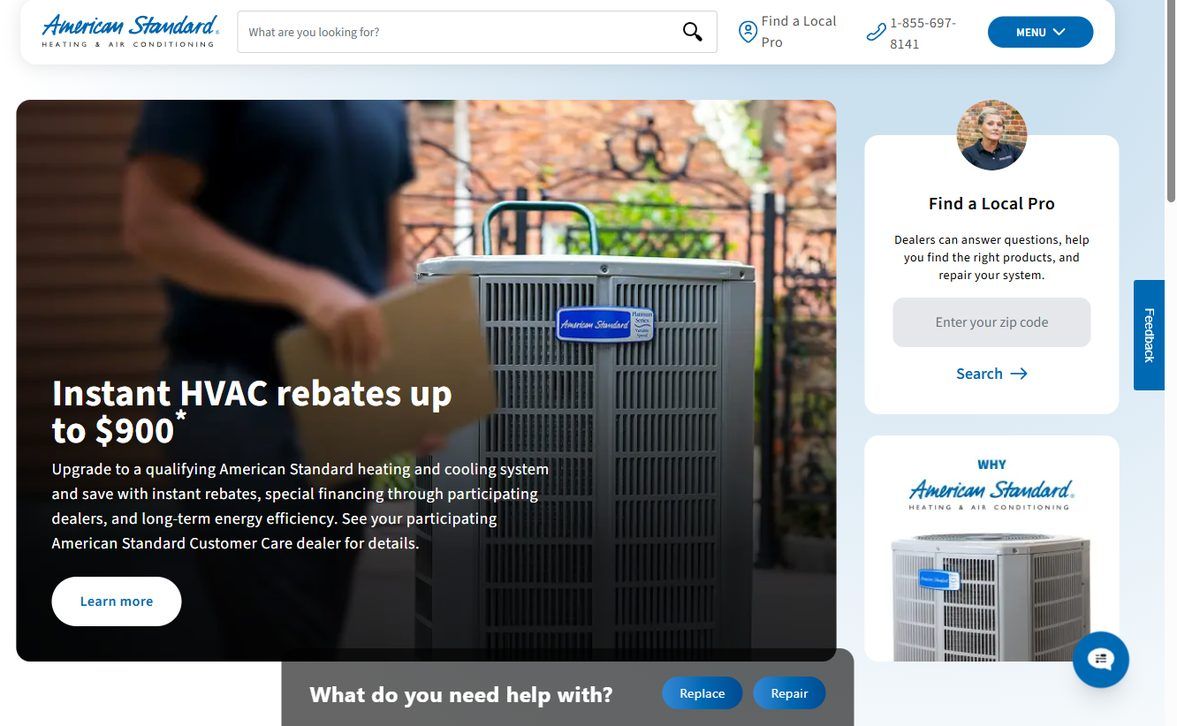
This option is tailored for those who want to bundle their equipment purchase with their financing. By working through participating dealers, homeowners can access specialized programs designed specifically for high-quality heating and cooling systems. It is a streamlined approach for those who want their hardware and their payment plan to come from the same ecosystem.
This setup reduces the administrative burden of dealing with separate banks and HVAC companies. One of the most attractive aspects is the potential for immediate savings. Some qualifying systems come with instant rebates that can reach up to $900, which helps offset the initial sting of the installation.
These rebates are often tied to high-efficiency SEER2 (Seasonal Energy Efficiency Ratio) ratings. You are essentially being rewarded for choosing a system that will save you money on your monthly utility bills for years to come. It is a solid choice for someone who values long-term energy efficiency and wants a direct relationship with their service provider.
Pros:- Instant HVAC rebates up to $900 available on qualifying systems.
- Direct connection to local professionals for installation and support.
- Focus on long-term energy efficiency and system longevity.
- Financing is tied to participating dealers rather than a standalone bank.
2. Wells Fargo
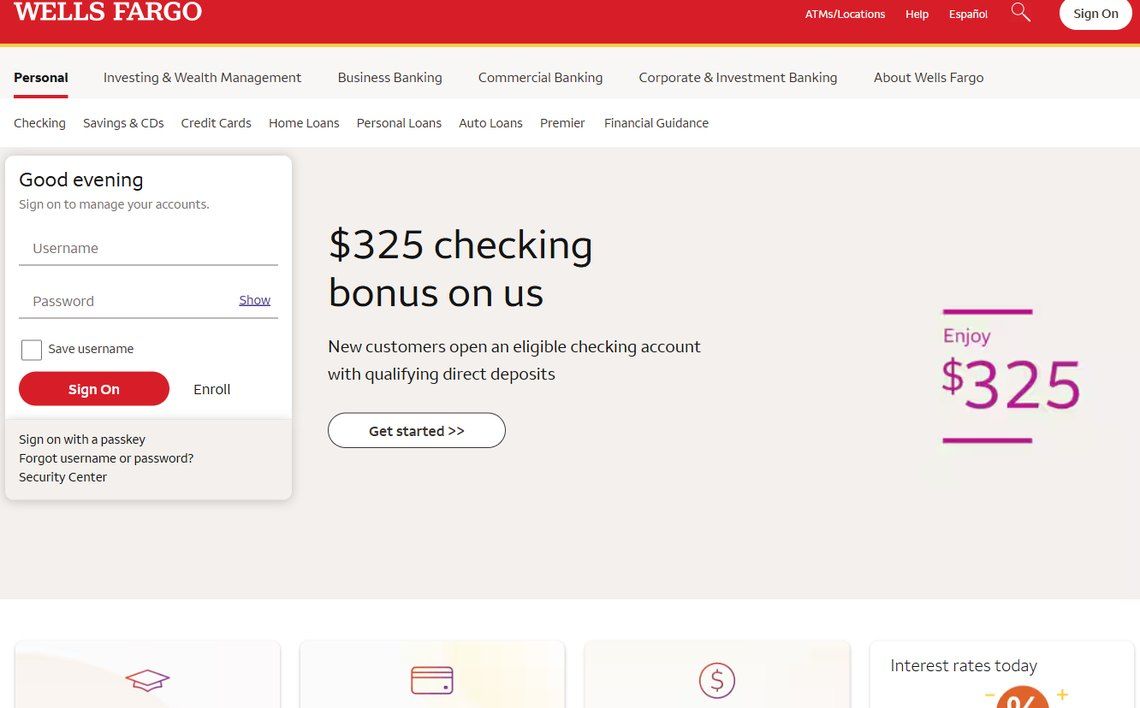
For those with established credit histories, traditional banking remains a powerhouse in the home improvement space. This route is often preferred by homeowners who want to keep their HVAC financing separate from their contractor’s billing. By using a personal loan or a dedicated home improvement line of credit from a major bank, you maintain total control over the funds.
You can use the money to pay various vendors or even save the surplus for unexpected secondary repairs found during the installation process. The standout feature for many is the ability to find 0% APR opportunities. When these promotional rates are available, they can make a massive installation feel much more manageable.
However, users must be wary of the “deferred interest” trap. If you fail to pay off the balance within the promotional period, the bank may back-charge interest from the original purchase date. It is a high-tier option for those who meet the bank’s specific credit approval criteria and want a professional, well-established financial institution behind them.
Pros:- Potential for 0% APR financing on certain projects.
- Highly reliable and established national banking institution.
- Seamless integration with existing bank accounts and financial management.
- Requires approved credit and specific qualifying criteria.
3. JetzLoan
This provider serves as a middle ground for those seeking specialized financing solutions that bridge the gap between retail and banking. It is designed to move quickly, which is vital when a furnace fails during a cold snap or an AC unit dies during a record-breaking heatwave. The application process is built for modern efficiency, often utilizing digital verification methods to ensure the heat stays on when it is needed most. (jetzloan.com)
The service is particularly useful for those who do not want to navigate the complexities of traditional mortgage-style loans or the long waiting periods of big-box banks. It offers a streamlined experience that focuses on the immediate necessity of the HVAC unit.
Rather than asking about your long-term financial history, the focus is often on the immediate ability to repay. This makes it a pragmatic choice for the homeowner who needs a solution that is as fast as it is functional. It bypasses the heavy bureaucracy found in other institutions.
Pros:- Streamlined application process for quick deployment.
- Designed specifically for the HVAC and home comfort market.
- Avoids the heavy bureaucracy of some traditional banks.
- Less brand recognition compared to major national banks.
4. Acorn Finance
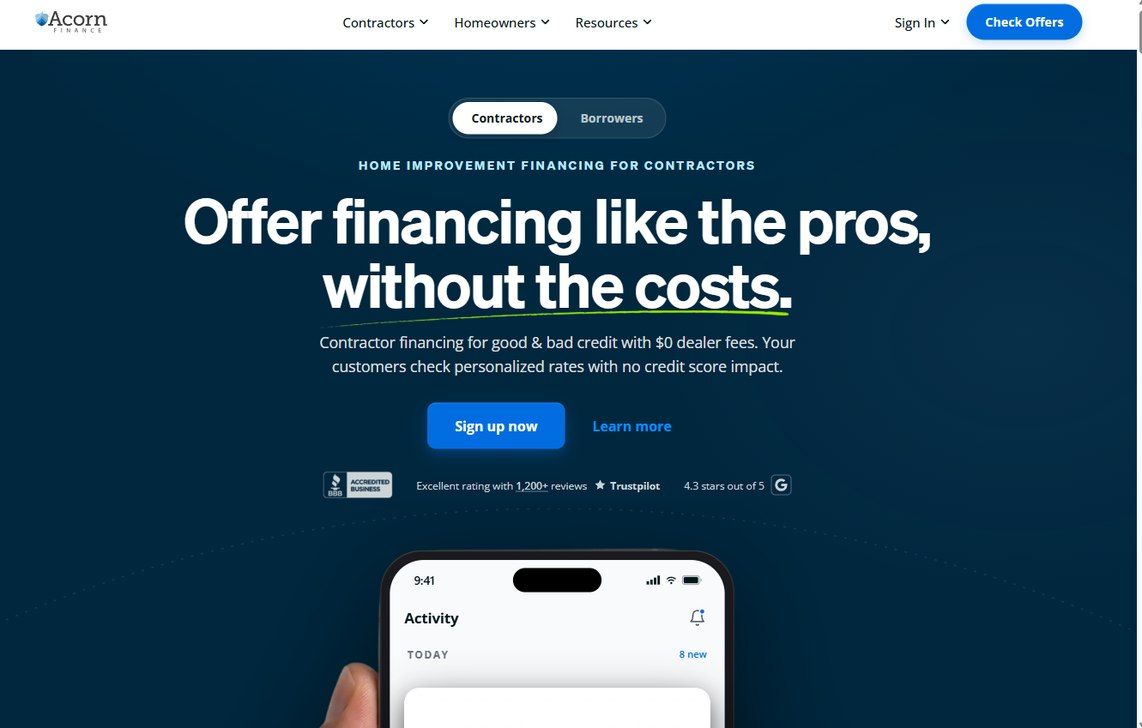
Acorn Finance acts as a massive marketplace, acting as a bridge between the homeowner and multiple lenders. This is a fantastic resource for those who are worried about their credit score. Because they work with various sources, they can often find a path forward even for individuals with less-than-ideal credit histories who might be rejected by a single traditional bank.
Instead of applying to ten different lenders, you use Acorn to see a menu of options at once. The scale of their offerings is impressive, with loan amounts reaching as high as $100,000. This makes them a top contender for large-scale residential projects or complete whole-home comfort upgrades, such as installing a multi-zone heat pump system throughout a large estate.
They take the guesswork out of the process by allowing users to check personalized rates without the dreaded impact of a hard credit pull. This “soft pull” allows you to shop around for the best deal without risking a temporary dip in your credit score. It is a smart way to explore your options without any risk.
Pros:- Extremely high loan limits up to $100,000.
- Personalized rates with no credit score impact during initial checks.
- High user satisfaction with a 4.3-star rating on Trustpilot.
- Rates and terms vary significantly depending on the chosen lender.
5. Breeze Lease Purchase
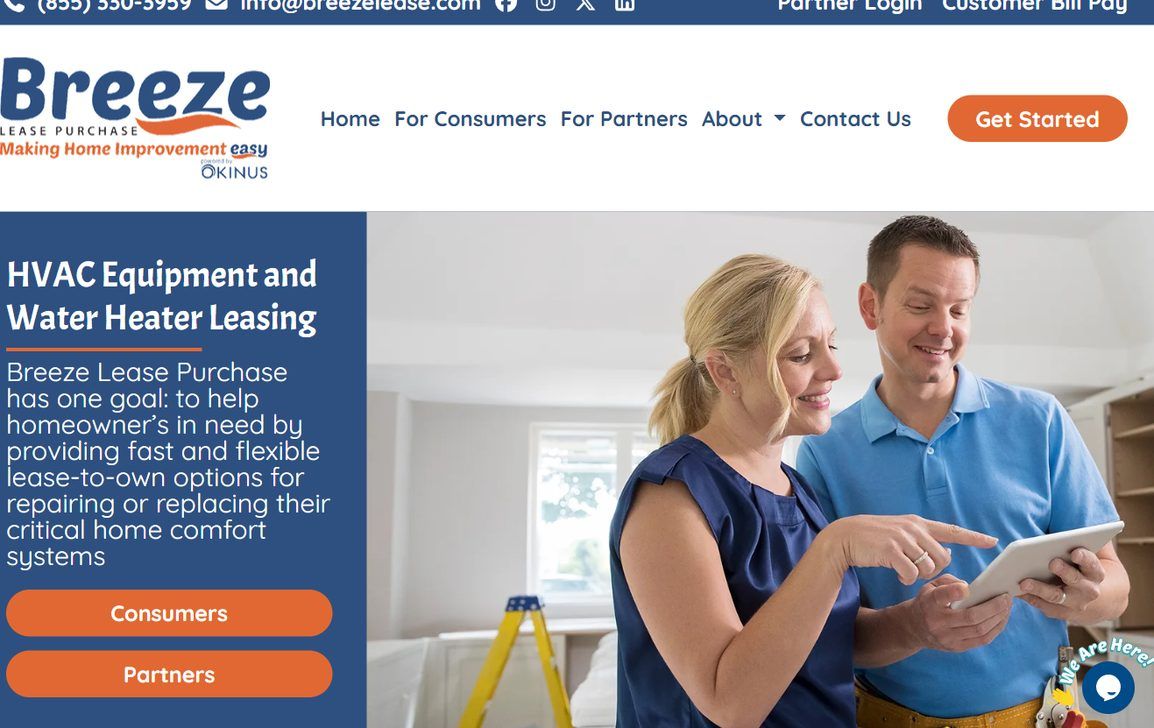
Not everyone can qualify for a standard loan, and that is where lease-to-own models become a lifesaver. Breeze Lease Purchase is built specifically for the nearly 30% of Americans who struggle to access traditional contractor financing due to credit challenges. It focuses on providing comfort through flexibility, allowing users to lease the equipment rather than buying it outright immediately.
This is often a “rent-to-own” structure where your monthly payments eventually lead to full ownership of the unit. This is a vital option for repairing or replacing critical systems like water heaters or heat pumps when cash flow is tight. It provides a way to get the equipment running today while paying for it over time in manageable increments.
It is a compassionate approach to home maintenance that prioritizes the immediate needs of the family over the immediate need for a massive lump-sum payment. This ensures that a broken HVAC system doesn’t become a humanitarian crisis within the home. It keeps the air moving while you get your finances in order.
Pros:- Specifically designed for those with less-than-perfect credit.
- Flexible lease-to-own options for critical equipment.
- Covers both full systems and individual replacement parts.
- Leasing structures can be more expensive in the long run than direct ownership.
The Hidden Costs of HVAC Financing
Before signing any agreement, it is essential to understand the difference between “total loan amount” and “total cost of ownership.” When a contractor presents a financing offer, they often emphasize the low monthly payment to make the project seem affordable. However, if that payment is spread over 60 or 72 months at a high interest rate, you may end up paying for a second HVAC system in interest alone.
Always request a breakdown of the total amount you will have paid by the end of the loan term. Consider these three common hidden costs:
- Interest Compounding: A 12% interest rate might seem manageable, but over five years, it significantly inflates the price of a high-efficiency unit.
- Installation Overages: A loan might cover the unit itself, but what happens if the technician discovers your existing ductwork is undersized for a new, higher-capacity system? Ensure your financing has a “buffer” or that you have a contingency fund.
- Early Repayment Penalties: Some specialized lenders charge a fee if you try to pay the loan off early. If you plan to refinance your home or pay down debt quickly, make sure your loan allows for penalty-free prepayments.
Navigating the Financing Landscape
When deciding on a financing path, it is easy to get caught up in the excitement of a new, high-tech AC system. However, the smartest move is to look at the total cost of ownership. A lower monthly payment might seem tempting, but if the interest rate is astronomical, you could end up paying for two systems over the life of the loan. Compare a 3-year loan with a 5-year loan side-by-side; the difference in total interest can often fund your next home improvement project.
Avoid the mistake of rushing into the first offer a technician presents in their truck. While it is tempting to sign something while the technician is standing in your living room—especially when your house is currently 85 degrees—taking a day to compare rates is worth the effort. Use the time to call your current bank and ask if they can beat the rate the contractor offered. You might find that a simple personal loan from your existing bank is significantly cheaper than the “on-site” financing offered by the HVAC company.
Always ask about the total amount repaid over the life of the loan to see the true cost. Another pitfall is failing to check for available rebates or tax credits. In 2026, many energy-efficient upgrades qualify for significant incentives that can slash your total bill. Federal and state programs, such as those provided by the Inflation Reduction Act, can offer thousands of dollars in tax credits for installing heat pumps or high-efficiency electric models.
Always verify if your chosen lender or the equipment itself qualifies for these programs, as they can save you thousands of dollars in the long run and effectively lower your “real” interest rate. Taking the time to do this due diligence turns a stressful repair into a managed home improvement.